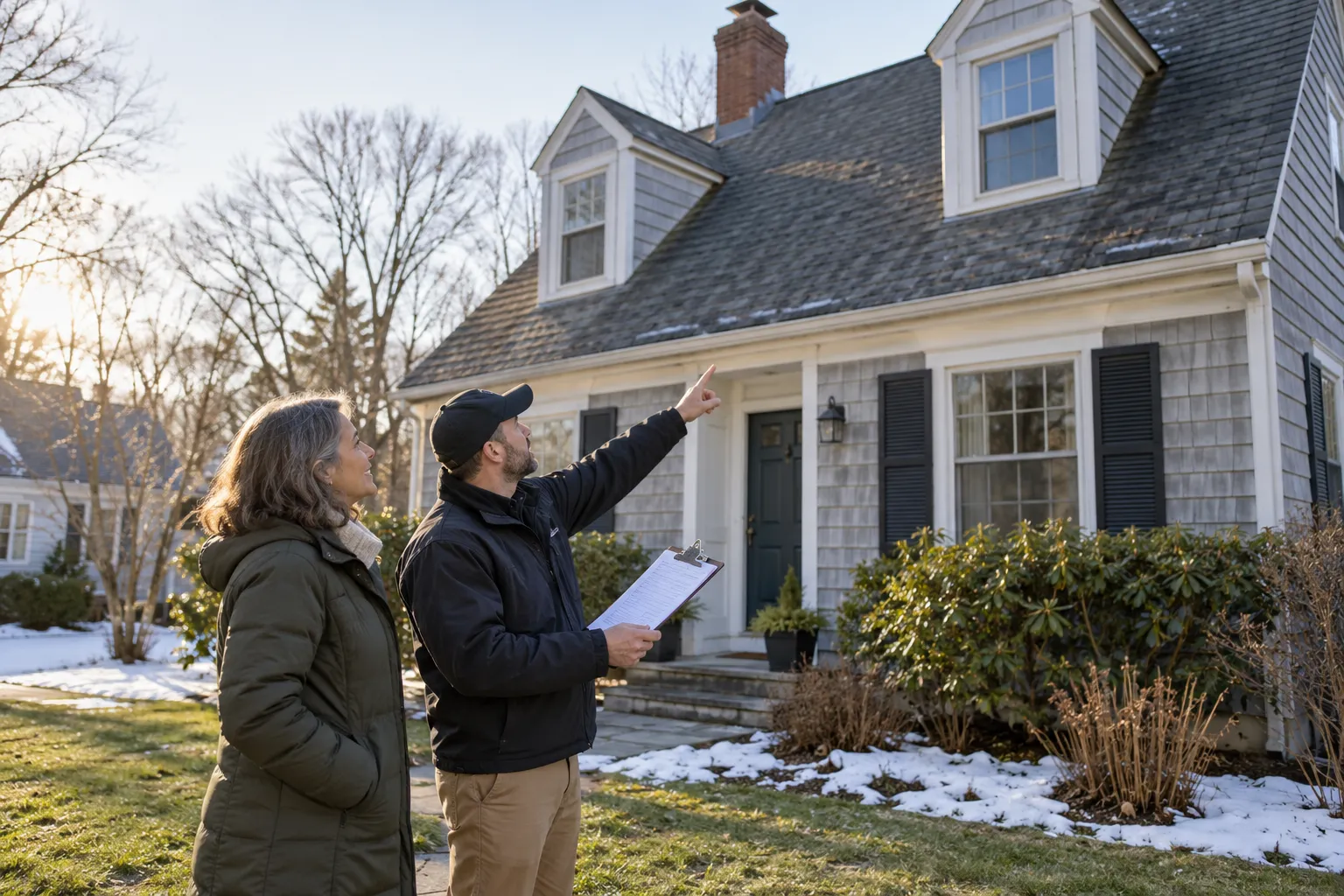
Roof replacement removes the old roof covering and installs a new one. On most homes, that means tearing off the old shingles and underlayment, checking and repairing the wood deck, then installing new underlayment, flashing, vents and shingles. A new roof protects the whole house, can improve attic ventilation and resets the clock on wear and tear.
Electricsuggestions Roofing is a referral service. When you call, we connect you with an independent local roofing contractor in the Gloucester area. The contractor inspects your roof, explains your material options and gives you a written estimate before any work starts. Replacement is a big decision, so take your time. Ask what is included in the price, how decking repairs are handled, which permits are needed and what warranties cover both the materials and the labor. You are never obligated to hire the contractor you speak with.
Is It Time for a New Roof?
If your roof leaks in more than one place, or you're patching it every year, it may be time to stop repairing and start planning. Waiting too long on a worn-out roof can mean water damage to the deck, insulation and ceilings, which adds to the final cost.
If water is coming in right now, deal with that first. Contain the drip, move belongings and ask the contractor about a temporary repair or tarp. Then you can plan the replacement without the pressure of an active leak.
Signs Your Roof Needs Replacing
A contractor will make the final call, but these signs often point toward replacement:
Age
Many asphalt shingle roofs last about 15 to 30 years. If yours is in that range and showing wear, start getting estimates.
Widespread Shingle Wear
Curling edges, cracked tabs and bald spots where granules have washed away are signs the shingles are breaking down across the roof, not just in one spot.
Repeated Leaks
One leak can be repaired. Leaks in several places, or leaks that keep coming back, usually mean the roof as a whole is failing.
Sagging or Soft Spots
A roof line that dips, or decking that feels spongy, can point to rot or structural problems underneath.
Storm or Hail Damage Across Many Slopes
When damage is spread across most of the roof, patching it piece by piece may not make sense.
What a Roof Replacement Includes
A full replacement usually follows the same main steps:
- Protecting your property. Tarps cover landscaping, and a dumpster or trailer is placed for debris.
- Tear-off. Old shingles, underlayment and worn flashing are stripped down to the wood deck.
- Deck inspection and repair. Soft or rotten boards are replaced so the new roof has a solid base.
- Underlayment and ice barrier. A water-resistant layer goes over the deck, with extra protection at edges and valleys.
- Flashing and drip edge. New metal is installed around chimneys, walls, vents and roof edges.
- New roofing material. Shingles or other roofing are installed to the manufacturer's instructions.
- Ventilation. Ridge vents, intake vents or other vents are added or replaced as needed.
- Cleanup. Debris is removed, and many crews sweep the yard with a magnet to pick up stray nails.
Choosing a Roofing Material
Your contractor can help you compare options that fit your home, budget and local rules.
Asphalt Shingles
The most common choice on U.S. homes. Architectural shingles are thicker and usually last longer than basic three-tab shingles.
Metal Roofing
Standing seam and metal panel roofs cost more up front but can last much longer. They shed snow and rain well and reflect heat.
Tile and Slate
Heavy, long-lasting and distinctive. These materials need a roof structure that can carry the extra weight and installers with specific experience.
Other Options
Wood shakes, synthetic shingles and flat-roof membranes are also used on some homes. Ask what makes sense for your roof's pitch and the local climate.
Tear-Off vs. Roof-Over
Some roofs can legally take a second layer of shingles over the first. This is called a roof-over or overlay. It can cost less, but it hides the deck from view, adds weight and may shorten the life of the new shingles. Many contractors recommend a full tear-off so the deck can be checked. Local building rules often limit how many layers are allowed.
Permits, Timing and Weather
Most roof replacements need a building permit. Ask whether the contractor pulls the permit and schedules any inspections. Once work starts, many single-family roofs are done in one to three days. Rain, high wind and very cold weather can delay the job, and good contractors will not install shingles in conditions that hurt the result.
Warranties
There are usually two kinds of roof warranty:
- Manufacturer warranty. Covers defects in the roofing materials. Some longer warranties require installation by a contractor the manufacturer has trained.
- Workmanship warranty. Covers installation mistakes. This comes from the contractor, and terms vary widely.
Ask for both in writing, and keep them with your home records.
Questions to Ask Before You Hire
The contractors in our network are independent businesses. Before you sign anything, ask:
- Are you licensed and insured for roofing work in Massachusetts?
- What is included in the estimate, and how are deck repairs priced?
- Who pulls the permit?
- What warranties cover the materials and the labor?
- How will you protect my yard and clean up?
You're never obligated to hire the first contractor you speak with. Getting more than one written estimate is a smart move on a project this size.
Ready to talk about a new roof? Call to check provider availability near you.
What's Included
Full Tear-Off
Old shingles, underlayment and worn flashing are removed down to the wood roof deck.
Deck Repairs
Soft or rotten decking is replaced so the new roof sits on a solid, dry base.
New Roofing System
Underlayment, ice barrier, flashing, drip edge and new shingles or other roofing are installed.
Ventilation and Cleanup
Roof vents are added or replaced, and debris and stray nails are cleared from your property.
What Does Roof Replacement Cost?
Price depends on roof size, pitch, material, how many layers need to come off and how much decking needs repair. These are typical U.S. ranges that vary by job, so ask for a written quote.
| Item | Typical range | Notes |
|---|---|---|
| Asphalt shingle roof | $8,000 – $20,000 | Typical single-family home |
| Per square (100 sq ft), asphalt | $400 – $800 | Includes tear-off on most quotes |
| Metal roof | $15,000 – $40,000+ | Varies by panel type and roof size |
| Tile or slate roof | $20,000 – $50,000+ | May need structural upgrades |
| Extra layer tear-off | $1,000 – $5,000 | When more than one layer is removed |
| Roof deck replacement | $3 – $7 per sq ft | Only for damaged boards |
How It Works
1. Call Electricsuggestions Roofing
Tell us about your roof and your location. We connect you with a local roofing contractor.
2. Inspection and Estimate
The contractor inspects the roof, reviews material options and gives you a written estimate.
3. Tear-Off and Install
The old roof is removed, the deck is repaired and the new roofing system is installed.
4. Cleanup and Walkthrough
Debris is cleared, the work is checked and you receive your warranty paperwork.
Why Call Electricsuggestions Roofing
Quicker Path to Estimates
One call connects you with a local roofing contractor, so you can start comparing options sooner.
Local Experience
Contractors in the Gloucester area know local weather, local permits and the roofs common in the area.
Clear Written Quotes
Ask for a written estimate that lists materials, deck repairs and warranties before you sign.
No Obligation
Talk to a contractor, compare quotes and decide what's right for your home and budget.